VersusPilot

English
32 facts in comparison
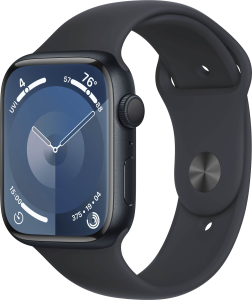
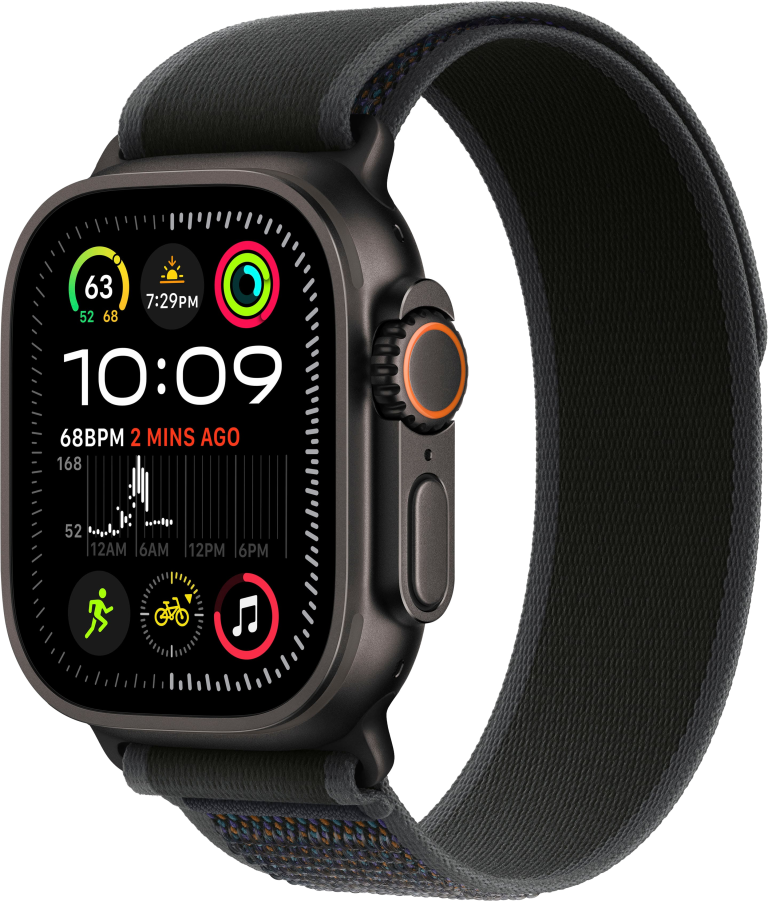
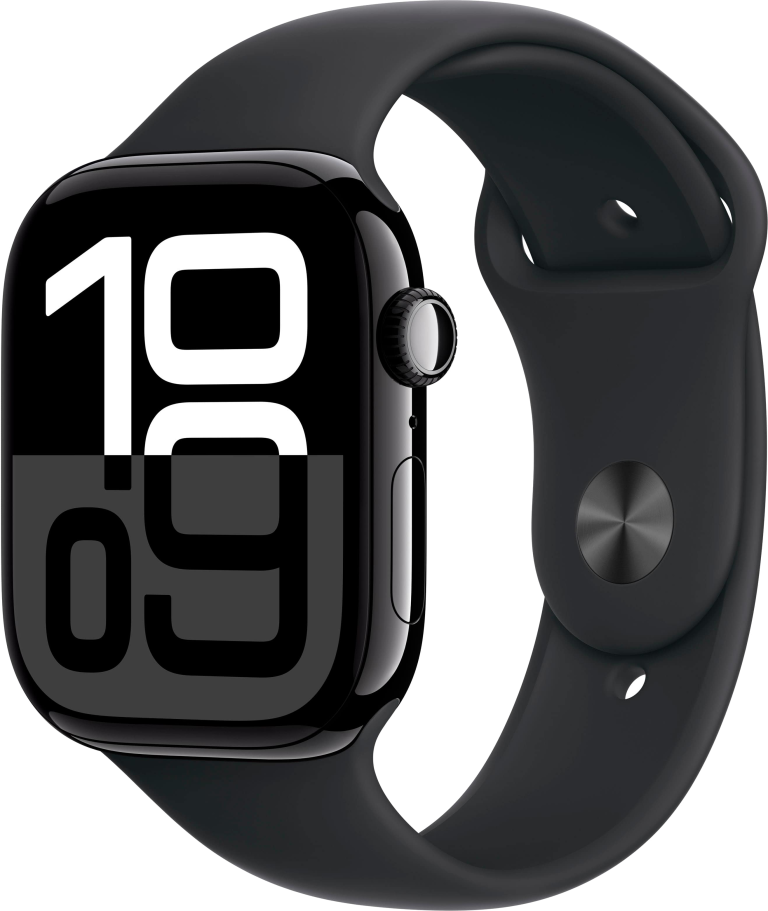
Apple Watch Ultra 2 vs Apple Watch Series 11 Aluminum
Why is Apple Watch Ultra 2 better than Apple Watch Series 11 Aluminum?
- 3 mm more Case size ?49 mm vs 46 mm
- 5 ATM more Water resistance ?10 ATM vs 5 ATM
- 6 px more Resolution ?502 px vs 496 px
- 1,000 nits more Peak brightness ?3,000 nits vs 2,000 nits
- 12 h more Battery life ?36 h vs 24 h
- Has Dual-frequency GPS ?
Why is Apple Watch Series 11 Aluminum better than Apple Watch Ultra 2?
- 31.7 g less Weight ?29.7 g vs 61.4 g
- 0.04 " more Display size ?1.96 " vs 1.92 "
- 30 min less Charging time ?30 min vs 60 min
What matters to you?
Drag the sliders to weight each category and re-rank the products to suit your priorities.
Score breakdown
Design
A lighter watch is more comfortable to wear all day.
The case diameter; larger cases fit bigger displays, smaller ones suit slimmer wrists.
The case material (e.g. aluminium, titanium).
A higher ATM rating allows swimming and diving.
Shows the time and stats without raising your wrist.
A scratch-resistant sapphire crystal protects the screen.
The case and band colour options the watch is sold in.
Display
A larger display is easier to read and interact with.
A higher pixel count produces sharper text and graphics.
The screen technology (e.g. AMOLED).
A brighter screen is easier to read in sunlight.
Health & fitness
Continuously tracks your heart rate.
Measures blood-oxygen saturation.
Takes an electrocardiogram to check heart rhythm.
Estimates blood pressure from the wrist.
Monitors sleep stages and quality.
Tracks routes and distance without a phone.
Senses skin temperature for health insights.
Detects hard falls and can call for help.
More tracked workout types suit more activities.
Battery
Estimated hours of use between charges.
Tops up quickly from empty.
Charges on a wireless pad or puck.
How long a full charge takes; lower is better.
Connectivity
A newer Bluetooth version improves range and efficiency.
Connects to Wi-Fi for updates and sync without a phone.
L1+L5 GPS gives more accurate tracking in cities and forests.
Make calls and stream without your phone nearby.
Pay contactlessly from your wrist.
Take calls and use a voice assistant on the watch.
Software
The watch software platform.
More storage holds more offline music and apps.
The bottom line
The Apple Watch Ultra 2 is the clear winner, scoring 90 to 68 on our VS Score. It leads on Design, Display and Battery.
Latest comparisons
 vs
vs vs
vs
 vsvs
vsvs vs
vs vs
vs
 vsvsvsvsvsvs